 Music
Faith and Creativity: Finding Purpose Beyond the Music
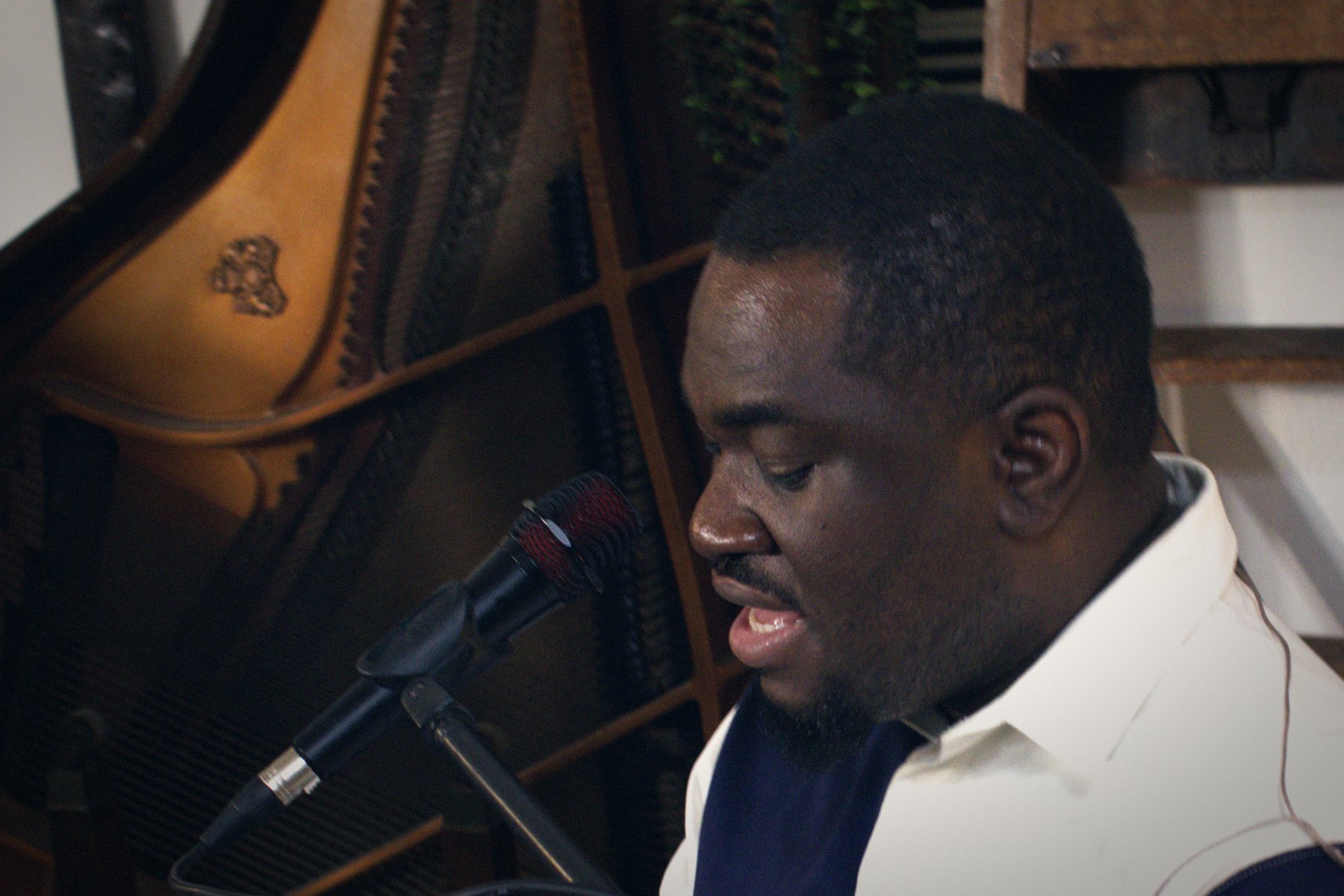
When Creativity Becomes More Than What We Do
Creativity is an interesting gift. It allows us to express ideas, communicate emotions, tell stories and create experiences that can reach people in ways words sometimes cannot.
For musicians, this expression might come through a melody, a song, an arrangement, an instrument or the atmosphere created when people come together through music.
But for those of us whose lives are rooted in faith, creativity raises a deeper question:
What are we creating, and what purpose does it serve?
It is easy to become consumed by the process of developing our craft, pursuing opportunities and trying to establish ourselves. These things are not necessarily wrong. Growth, ambition and excellence all have their place.
However, there is something important about remembering that our gifts can carry a purpose beyond personal achievement.
Faith invites us to consider not only what we can do with our abilities, but how we can use them meaningfully.
Recognising the Gift
James 1:17 reminds us that every good and perfect gift comes from above.
This provides an important perspective on creativity. Our abilities, opportunities and potential are not things we should take for granted.
Whether we sing, play an instrument, write songs, produce music, engineer sound or work in another creative discipline, we have been given abilities that can be developed and used purposefully.
Recognising a gift, however, is only the beginning.
A gift requires nurturing. It requires discipline, learning, practice and a willingness to grow. Natural ability may create an opportunity, but intentional development helps us become more effective in what we do.
We should not confuse being gifted with having nothing left to learn.
There is always room to improve, new things to discover and greater understanding to develop.
Creativity and Purpose
One of the challenges creatives face is defining success.
For some, success means recognition. For others, it means financial stability, influence, professional achievement or the opportunity to work with people they admire.
These ambitions can be meaningful, but they should not become the only measures of our creative journey.
What happens when the recognition does not come as quickly as we expected? What happens when opportunities are limited? What happens when the work we are doing is not receiving the attention we hoped for?
This is where understanding purpose becomes important.
When our identity is built entirely around external validation, it can become difficult to remain encouraged when results are delayed.
Faith gives us an opportunity to look beyond immediate outcomes and consider the deeper reason behind what we do.
Colossians 3:23 encourages us to work wholeheartedly, as working for the Lord rather than merely for people.
This principle challenges us to approach our work with intention, integrity and excellence, regardless of whether we are receiving applause.
It reminds us that the value of our work is not determined only by who notices it.
Excellence Is Part of Stewardship
There is sometimes a misconception that faith and technical excellence belong in separate conversations.
They do not.
If we believe our gifts have been entrusted to us, then developing those gifts should matter.
A musician should care about musicianship. A producer should care about the quality of their production. A sound engineer should be committed to understanding their craft. A songwriter should remain willing to learn how to communicate ideas more effectively.
Excellence does not mean perfection, and it should never become an excuse for pride or comparison.
Rather, it is about respecting the gift, taking responsibility for its development and giving our best to the opportunities entrusted to us.
The pursuit of excellence can also be an expression of service.
When we prepare properly, collaborate thoughtfully and approach our responsibilities with care, we make it easier for others to experience the best of what we have to offer.
Keeping Faith at the Centre
The creative industry can introduce pressures that challenge our values.
There may be opportunities that require difficult decisions, environments that encourage unhealthy competition or expectations that make us question what we believe.
For Christian creatives, remaining grounded in faith requires intentionality.
It means developing a relationship with God that is not dependent on creative success. It means allowing our beliefs to influence our decisions, relationships and attitudes.
It also means recognising that our faith should shape how we treat people.
How do we respond when someone else succeeds? How do we handle criticism? Are we willing to serve when there is no recognition? Can we remain humble when our work receives attention?
These questions matter because purpose is reflected not only in what we create but also in how we live.
Worship Is More Than Performance
For musicians involved in worship, it is especially important to understand that musical ability and spiritual expression are not the same thing.
A beautiful arrangement, a skilled instrumentalist or an impressive vocal performance can contribute to a musical experience. But worship cannot be reduced to performance.
Worship begins with the heart and our relationship with God.
This does not mean that musical excellence is unimportant. Rather, it means that excellence should serve the purpose of worship, not replace it.
We should be intentional about developing our musical abilities while remaining attentive to the spiritual responsibility that comes with serving.
The goal is not simply to sound good. It is to serve faithfully and direct attention towards God.
Using Our Gifts to Serve Others
One of the most meaningful ways to understand creativity is to consider the people it can impact.
A song might encourage someone through a difficult season. A musical gathering might create a sense of belonging. A conversation might give someone the confidence to keep developing their gift.
We may never fully understand the influence of something we create or the encouragement our work provides to another person.
This is why creativity should not always be measured by visibility.
Sometimes, the most meaningful contribution happens quietly, through consistency, service and a willingness to use what we have to help others.
Finding Purpose Beyond the Music
At Music & Tea, we believe that faith, music and community should not exist as separate parts of the creative journey.
We believe creativity should be developed with intention, expressed with excellence and grounded in purpose.
Our hope is to encourage creatives to discover more than what they can achieve through their abilities. We want to encourage them to consider who they are becoming, how they serve others and how their gifts can contribute to something greater than themselves.
Your creativity is worth developing. Your faith is worth nurturing. Your purpose is worth pursuing.
And the journey becomes more meaningful when we remember that what we have been given can also become a blessing to others.
May we never become so focused on developing our gifts that we forget the One from whom they came.