 Music
The Art of Listening: Why Great Music Is Built on More Than Playing
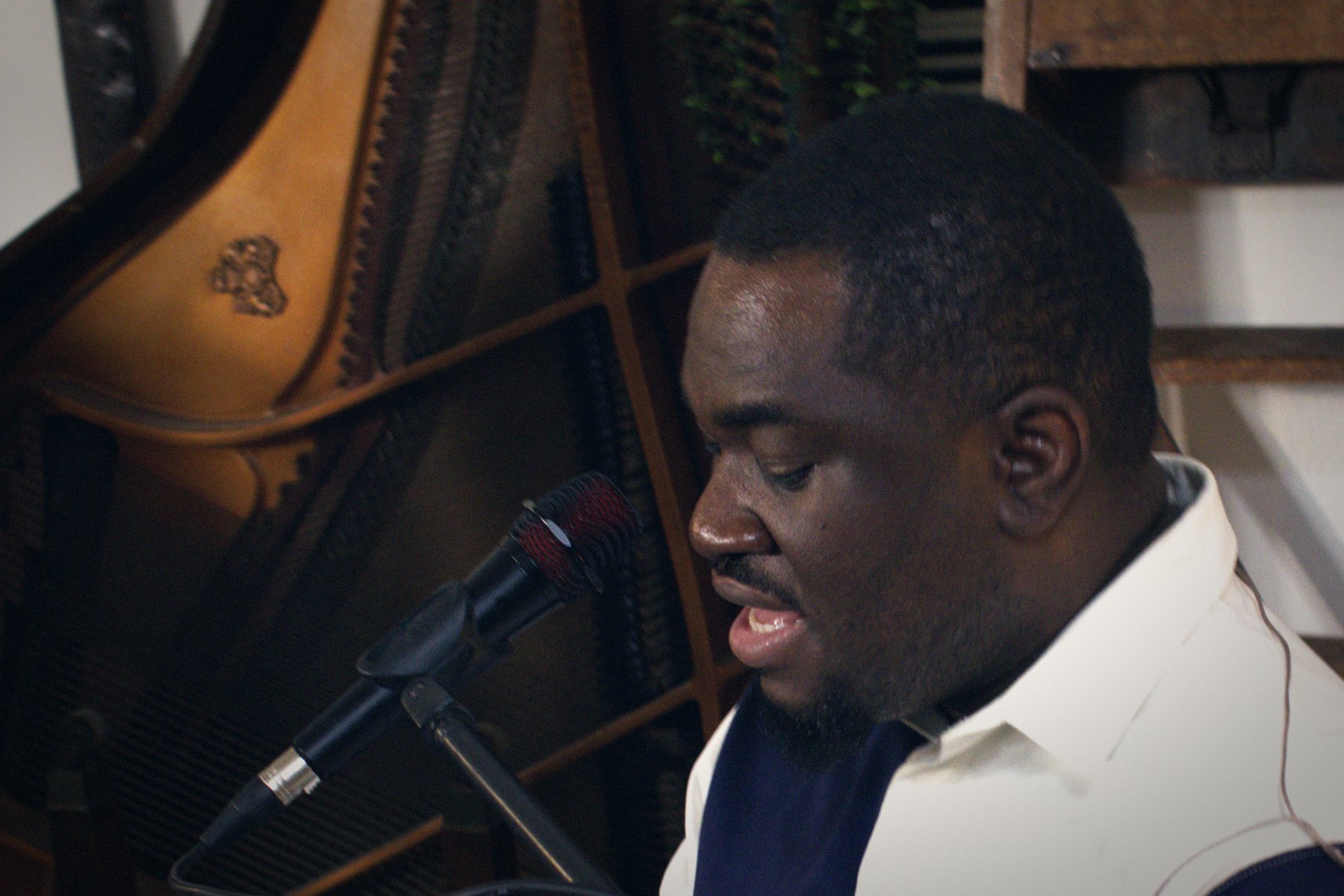
Developing as a musician often involves learning an instrument, improving technique, understanding music theory and spending time practising.
These things matter. They help us become more confident and capable musicians.
But there is another skill that is just as important: learning how to listen.
Music is a shared language. It requires more than individual ability. It requires awareness, sensitivity and an understanding of how different musical contributions work together.
Sometimes, becoming a better musician is not just about learning what else to play. It is about learning to hear what is already happening around you.
Playing Your Part Is Only the Beginning
A musician can know their instrument exceptionally well and still struggle to work effectively with other musicians.
Why? Because playing in a group requires us to think beyond ourselves.
It means recognising when to lead, when to support, when to create space and when to allow another musician to take the musical direction.
Sometimes, the most effective contribution is not playing more notes. It is knowing which notes are necessary.
Understanding this can change the way we approach music, rehearsals and collaboration.
Listening Creates Musical Understanding
When musicians listen intentionally, they begin to understand the bigger picture.
They become more aware of timing, dynamics, tone, arrangement and the contributions of everyone around them.
A drummer learns to create space for the vocalist. A keyboard player understands when a musical arrangement needs simplicity. A guitarist recognises when their part should complement rather than compete with another instrument.
This kind of awareness develops through experience, practice and a willingness to learn from others.
It also reminds us that musical excellence is not always about complexity. Sometimes, simplicity and sensitivity make the greatest difference.
Humility Makes Collaboration Better
Collaboration requires humility.
It means accepting feedback, recognising that there is always something new to learn and understanding that the best musical outcome may not always be the one we initially imagined.
It also means respecting the different experiences and abilities people bring into a musical environment.
A strong musical team is not built by everyone trying to stand out. It is built when everyone understands how to contribute to a shared direction.
There is something powerful about being in a room where people are confident in their gifts but humble enough to learn from one another.
Listening Beyond the Music
The ability to listen also matters in our relationships.
Being part of a creative community means making room for other people's experiences, ideas and perspectives.
It means being willing to learn, ask questions and understand people whose journeys may be different from ours.
The same attitude that helps us become better collaborators in music can help us become more thoughtful members of a community.
Listening is not only a musical skill. It is also an important part of building meaningful relationships.
Growing Together Through Music
At Music & Tea, we believe music creates an opportunity for people to connect, learn and grow together.
Every musician has something to contribute, but everyone also has something to learn.
The more we develop our ability to listen, the better we become at understanding the music, appreciating others and contributing to something bigger than ourselves.
Sometimes, becoming a better musician begins with learning when to stop playing and start listening.